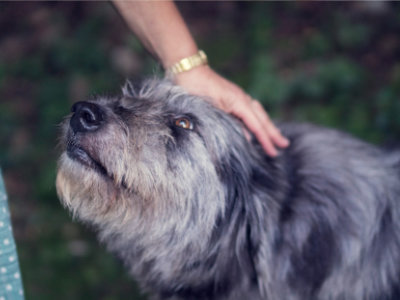
A dog's coat quality can reflect nutritional status, though many factors influence fur health.
Essential fatty acids, particularly omega-3 and omega-6, support skin health and coat shine. Deficiencies may result in dry, dull, or brittle fur. Quality protein provides amino acids necessary for hair growth and structure. Insufficient protein can lead to thin, weak fur.
Biotin and other B vitamins support healthy skin and coat. Zinc deficiency, while uncommon in commercial diets, can cause hair loss and skin issues. Signs of potential nutritional deficiency include excessive shedding, dull or dry coat, flaky skin, or slow hair regrowth after grooming.
However, coat quality isn't solely diet-dependent. Genetics, age, health status, parasite control, grooming practices, and environmental factors all play roles. Some breeds naturally have coarser or softer fur regardless of diet.
If you notice coat changes, consult your veterinarian before assuming it's dietary. Medical conditions like hypothyroidism, Cushing's disease, or parasites can affect coat quality and require specific treatment.
This article is for informational purposes only. Consult your veterinarian for personalized advice.