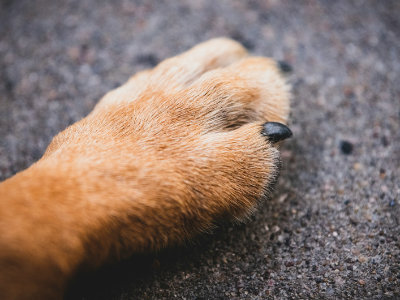
Paw licking is one of the most common behaviors dog owners observe. While occasional paw licking is normal grooming, excessive licking may indicate underlying issues worth investigating.
Common Causes of Paw Licking
Allergies: Environmental allergies to pollen, dust, or mold can cause itchy paws. Food sensitivities may also manifest as paw discomfort. Allergens can affect dogs through contact or ingestion.
Dry or Irritated Skin: Winter weather, de-icing salts, or harsh cleaning products can irritate paw pads. Some dogs develop contact sensitivity to certain surfaces or lawn treatments.
Parasites: Fleas, ticks, or mites can cause localized itching. Even dogs treated for fleas can have allergic reactions to bites, leading to persistent licking.
Injuries or Foreign Objects: Thorns, splinters, or small stones between toes can cause discomfort. Cuts, burns, or cracked pads may also prompt licking behavior.
Infections: Bacterial or fungal infections can develop between toes, especially in the warm, moist environment. These often cause redness and odor.
Anxiety or Boredom: Some dogs develop compulsive licking as a self-soothing behavior, similar to nervous habits in humans. This is more common in under-stimulated dogs.
Joint Pain: Arthritis or other joint issues can cause dogs to lick areas that hurt, including paws where pain may radiate.
When to See Your Vet
Consult your veterinarian if paw licking is frequent, intense, or accompanied by redness, swelling, odor, limping, or behavioral changes. Your vet can identify the cause and recommend appropriate treatment, which might include dietary adjustments, medications, environmental modifications, or behavioral strategies.
Note: This article is for informational purposes only and should not replace professional veterinary advice. Always consult with your veterinarian regarding your dog's specific health needs.